
Loading...
Serving Marina, CA and surrounding areas. (831) 946-0604
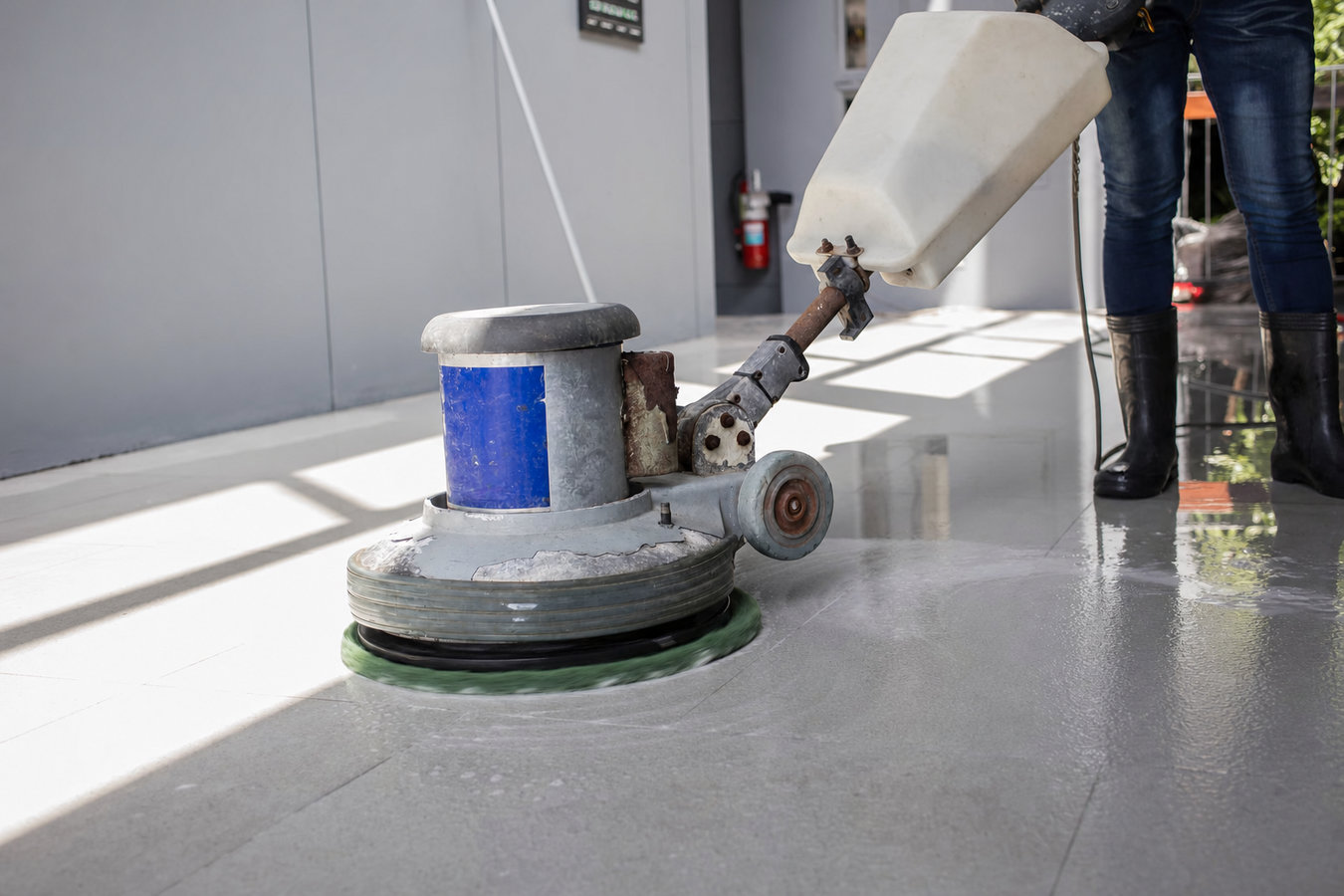
A crumbling garage floor or cracked patio slab does not have to stay. We break up old concrete, haul it away clean, and leave you a properly inspected base ready for whatever comes next.
Concrete floor stripping and removal in Marina, CA means breaking up an existing slab - whether a garage floor, interior surface, or outdoor patio - and hauling away all debris so the area is clean and ready for whatever comes next. A standard single-car garage floor typically takes one full day from start to finish, including debris removal and a final cleanup.
If your concrete is crumbling, has sections that have shifted up or down, or simply does not fit your renovation plans, patching over it is rarely the right answer. Marina homeowners frequently reach this point sooner than expected because salt air from Monterey Bay weakens concrete surfaces over time, and the sandy coastal soils cause slabs to crack and settle faster than in inland areas. When the surface has deteriorated past what a repair can fix, removal is the honest starting point. Once the old slab is out, we can follow up with epoxy floor coatings or pair the removal with concrete grinding and surface preparation to get the base exactly right before any new material goes down.
If the top layer of your concrete is breaking apart in chunks or flaking off like old paint, the surface has deteriorated past the point where patching makes sense. In Marina, this kind of damage is especially common in garages and patios facing the ocean breeze, because salt air slowly weakens the top layer of concrete over years. Once the damage goes deep enough, removal and replacement is more cost-effective than repeated patching.
A crack here and there is normal, but if one section of your floor sits noticeably higher or lower than the section next to it, the slab has moved. In Marina's sandy soil, this kind of settling happens more often than in areas with denser ground, and it tends to get worse over time rather than stabilizing on its own. A shifted slab is a trip hazard and a sign the base underneath needs attention.
If water collects in low spots on your garage floor or patio after Marina's foggy mornings or winter rains, the slab has settled unevenly. Standing water accelerates the deterioration of concrete and can work its way under the slab, making the soil problem worse. Removing the old slab and regrading the base before pouring a new one is the right fix.
If you are converting a garage, finishing a basement, or changing how a space is used, the existing concrete floor may be the wrong height, wrong thickness, or simply in the way. This is one of the most common reasons Marina homeowners schedule concrete removal - not because the slab is failing, but because the project requires a clean start.
We handle the full process - from scoring and breaking up the existing slab, through loading and hauling all debris, to leaving the area broom-clean with the base material inspected and ready for the next step. Before any breaking begins, we check for utility lines - plumbing, electrical conduit, or radiant heating - that may run under or near the slab. A nicked water line or cut wire on a rushed job turns a straightforward project into an expensive emergency; we do not skip that step. Dust control measures go up before the loud work starts - we use wet-cutting methods and industrial vacuums to keep concrete dust contained, which protects your home and protects our crew. The OSHA silica standard for construction sets out the requirements for dust control on concrete demolition work, and we follow them.
For projects that go beyond removal - where the plan is to put down a new floor after the old one comes out - we connect this work directly with epoxy floor coatings or concrete grinding and surface preparation, depending on what the new surface requires. We will tell you which sequence makes sense after the on-site assessment, so you are not coordinating two separate contractors for work that naturally goes together.
Suits garage floors, basement slabs, and interior concrete surfaces being cleared for renovation or replacement.
Suits patios, driveways, and walkways where cracking, settling, or damage has made the surface unsafe or unusable.
Suits situations where only one section of a larger slab has failed and a full removal is not warranted.
Suits every removal job - all broken concrete is loaded out and the base material is checked before the site is handed back.
Marina sits directly on Monterey Bay, and salt air from the water is one of the most consistent causes of concrete surface deterioration in this area. Slabs on garages, patios, and carports that face the ocean breeze tend to show scaling, spalling, and cracking earlier than they would in an inland city. On top of that, Marina is built largely on sandy, wind-deposited soils - the same dune geology that runs through the former Fort Ord area. Those soils shift and settle more than the clay or loam found elsewhere in Monterey County, which is why slabs here crack and heave more than homeowners expect. When a crew removes a slab in Marina, it is not unusual to find the base material has shifted or eroded underneath; we check for this every time and flag it before anyone commits to a new pour.
For properties near the former Fort Ord boundary, there is one additional thing worth knowing before any ground-disturbing work: the Fort Ord Reuse Authority maintains parcel-level records of soil assessments for that area. Most residential parcels have been cleared, but confirming your specific address before ground-disturbing work is straightforward and worth the few minutes it takes. We work across Marina and regularly serve homeowners in neighboring Seaside and Castroville, where the same coastal soil conditions apply.
We ask a few basic questions - area size, what is on it now, what you are planning after - then schedule a site visit. Most homeowners hear back within one business day. Seeing the job in person is necessary for an accurate written estimate, because slab thickness, access, and what is underneath all affect the cost.
We walk the space and check for cracks, condition of the concrete, and any utilities that may run under or near the slab. We also clarify upfront whether your specific project requires a permit from the City of Marina. A written estimate follows - itemizing labor, equipment, and debris disposal so there are no open-ended line items.
Before any breaking begins, we put up dust barriers and attach vacuums to equipment. The crew scores the slab, breaks it into manageable sections, and loads the debris. Most residential jobs are completed in one day; larger or thicker slabs may run into a second. Noise is significant during active breaking but is not continuous all day.
Once the concrete is out, we sweep and clean the area before leaving. Then we walk the exposed base with you - in Marina's sandy soils, it is common to find the base has shifted or settled unevenly, and catching that now avoids a second mobilization later. Where the concrete goes is included in the estimate: most debris from Marina jobs goes to a certified recycling facility.
We come to your Marina property, look at the actual job, and give you a clear price in writing before you decide anything. No obligation, no pressure.
(831) 946-0604Concrete demolition generates fine silica dust, and controlling it is not optional - it is an OSHA requirement on construction sites in California. We use wet-cutting methods and vacuum-equipped tools so the dust stays in the work zone rather than spreading through your home. You should feel comfortable asking any contractor you consider exactly how they handle this before you hire.
Marina's sandy, wind-deposited soils behave differently from the ground found in most of California. We know what to expect when a slab comes out here - an eroded or shifted base is common, and we flag it before any new work begins. A contractor without that local familiarity often misses it until after the new slab starts showing the same problems.
Debris disposal in the Monterey Bay area runs higher than national averages, and some contractors leave it as a line item that grows. Your estimate covers labor, equipment, and haul-away - including where the concrete is going. Most of our jobs go to a certified recycling facility rather than a landfill, and that is in the quote from the start.
We know the City of Marina permit process and will tell you upfront whether your specific removal project requires one. You will not get a stop-work notice halfway through because someone skipped a step. If a permit is needed, we factor the timeline into the schedule before work begins - not after the crew has already arrived.
Concrete removal looks simple from the outside - break it up, haul it away - but the details around dust control, utility protection, subgrade inspection, and disposal compliance are what separate a job done right from one that causes problems later. In Marina, where the soils and coastal conditions add their own variables, those details matter more than they do in most places.
Apply a durable, easy-clean epoxy coating over the fresh slab once removal and base prep are complete.
Learn MoreGet the new or existing concrete surface ground and profiled correctly before any coating or overlay is applied.
Learn MoreWe have current openings - call now to get a written estimate in hand and your project on the calendar before the next renovation phase stalls waiting on demo.